The short answer
Choose coffee by how you brew it first, then by taste. If you have a South Indian filter, buy a filter coffee blend. If you want a cup in seconds with only hot water or milk, buy instant coffee. If you want a sweet, flavoured cup with nothing else to add, buy a 2-in-1 premix. Within each, the beans and the roast decide how strong, bitter or smooth the cup tastes.
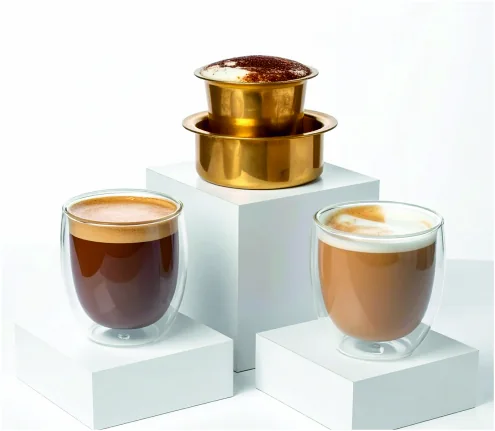
The two main coffee beans: arabica and robusta
Almost all the coffee people drink comes from two species of the coffee plant.
- Arabica. Usually grown at higher altitudes. It is generally smoother and more aromatic, with more acidity and a wider range of flavours, and it is the bean most specialty coffee is made from.
- Robusta. A hardier plant that grows at lower altitudes. It is generally stronger, more bitter and fuller-bodied, and it usually carries more caffeine than arabica. It is widely used in espresso blends and instant coffee.
India grows both, mostly in the southern hills of Karnataka, Kerala and Tamil Nadu, and many blends sold here mix the two to balance body and aroma.
Roast levels: light, medium and dark
Green coffee beans have little of the taste we know as coffee; roasting creates it. The longer and hotter the roast, the darker the bean.
| Light roast | Medium roast | Dark roast | |
|---|---|---|---|
| Taste | Bright, fruity, more acidity | Balanced, rounder, caramel notes | Bold, smoky, bitter-sweet |
| Body | Lighter | Medium | Heavier |
| Best for | Pour-over, black coffee | Most everyday cups | Espresso, milky coffee, filter coffee with milk |
The forms coffee is sold in
- Whole bean. Keeps its aroma longest; you grind it just before brewing.
- Ground coffee. Ready to brew in a filter, French press, pour-over or espresso machine. The grind size should match the brewer: coarse for a press, fine for espresso.
- Filter coffee blend. Ground roasted coffee, often blended with chicory, for the South Indian filter. Our South Indian Filter Coffee is this kind: roasted coffee and chicory for a bold decoction.
- Instant coffee. Coffee that has already been brewed and then dried into a powder or granules, so it dissolves straight into water or milk. Our Instant Coffee is pure spray-dried coffee.
- 2-in-1 and 3-in-1 premixes. Instant coffee mixed with sugar, and sometimes creamer or flavour, so one spoon makes the whole cup. Our flavoured 2-in-1 coffees combine coffee, chicory and sugar in flavours from hazelnut to Irish cream.
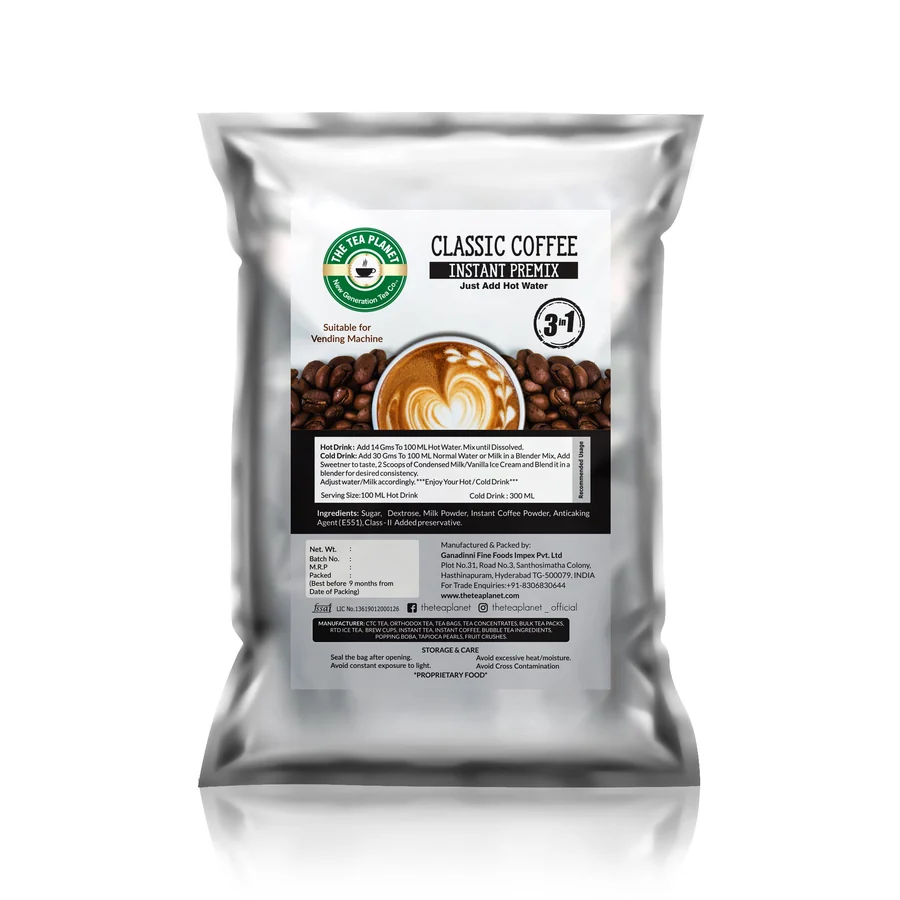
- Vending premixes. Free-flowing coffee premixes made for machines in offices and canteens: see our vending machine premix range and the guide to coffee premix for vending machines.
The coffee drinks most people order
| Drink | What it is |
|---|---|
| Espresso | A small, strong shot made by forcing hot water through finely ground coffee under pressure. The base of most café drinks. |
| Americano | Espresso topped up with hot water: black coffee with espresso flavour. |
| Cappuccino | Espresso with steamed milk and a thick layer of milk foam. |
| Latte | Espresso with more steamed milk and a thin layer of foam: milder and creamier than a cappuccino. |
| South Indian filter coffee | A strong decoction dripped through a steel filter, mixed with hot milk and sugar, and served in a tumbler and davara. |
| Cold coffee | Coffee blended or shaken with cold milk, sugar and ice. Made easily from instant coffee. |
| Cold brew | Ground coffee steeped in cold water for many hours, then strained: smooth and low in bitterness. |
| Dalgona | Instant coffee whipped with sugar and a little water into a thick foam, spooned over cold milk. |
For coffee with tapioca pearls, see boba coffee.
What “specialty coffee” means
Specialty coffee is a quality grade, not a type of drink. Trained tasters score green coffee for defects and cup quality; the Specialty Coffee Association treats coffee scoring 80 points or more out of 100 as specialty grade. Such coffee is usually arabica, traceable to a farm or estate, carefully processed and freshly roasted, and it is often sold with tasting notes and the roast date on the bag. It costs more and is best brewed black or with little milk, where its flavour shows.
How to choose the right coffee
- Start with your equipment. A South Indian filter needs a filter blend; an espresso machine needs fine espresso-grind coffee; a kettle alone means instant coffee or a premix. Not sure which? Our guide to instant vs filter coffee compares the two most common choices in India.
- Decide milk or no milk. Milky cups need a stronger, darker coffee (or one with chicory) to come through. Black coffee shows off a lighter roast.
- Pick your strength. More robusta, a darker roast or more chicory gives a bolder, more bitter cup; arabica and lighter roasts give a smoother, brighter one.
- Think about speed and consistency. For offices, canteens and busy counters, instant coffee and premixes give the same cup every time with no brewing skill.
- Buy fresh and store it well. Keep coffee airtight, cool and dry, away from light, and reseal the pack after opening.
A few coffee facts worth knowing
- A coffee bean is a seed. It grows inside a red or yellow fruit called the coffee cherry, usually two beans to a cherry.
- India’s coffee story starts in Karnataka. By popular tradition, the Sufi saint Baba Budan brought the first coffee seeds to the Chikmagalur hills in the 17th century.
- Chicory is a root, not a coffee. Roasted chicory is blended into many South Indian filter coffees for body, colour and a slightly bitter-sweet note.
- Instant coffee is real coffee. It is brewed coffee with the water removed, which is why it dissolves completely.
Our coffee range
We make three kinds of coffee at our FSSC 22000 certified plant in Hyderabad: South Indian Filter Coffee (coffee and chicory for decoction), pure Instant Coffee, and flavoured 2-in-1 instant coffees, plus coffee premixes for vending machines. Bulk savings apply automatically at checkout: 10% off orders from ₹4,999 and 20% off orders from ₹19,999. For café, office and distributor volumes, see wholesale.
Shop the ingredients
The products this guide talks about, with their prices. Each card opens the product page.
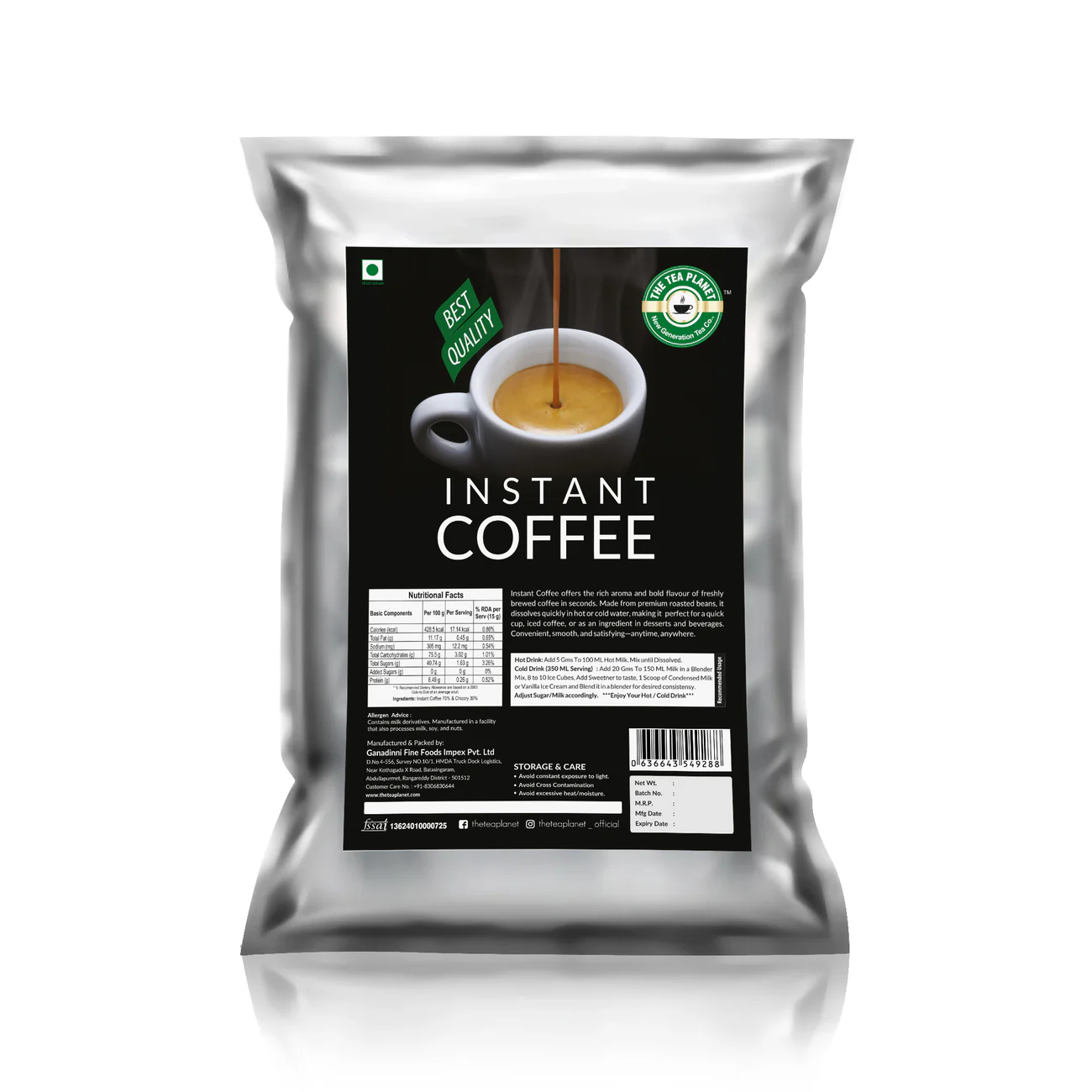
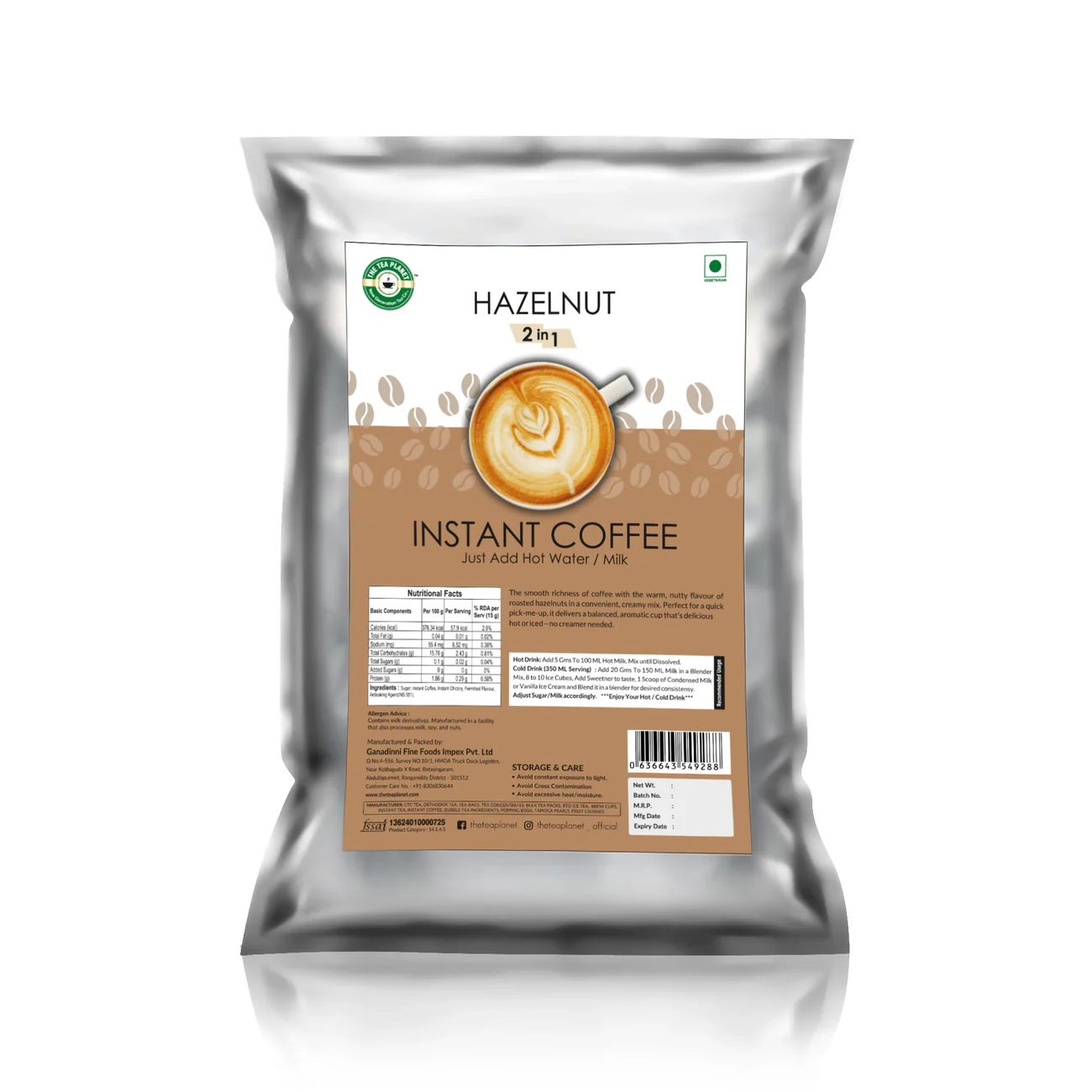
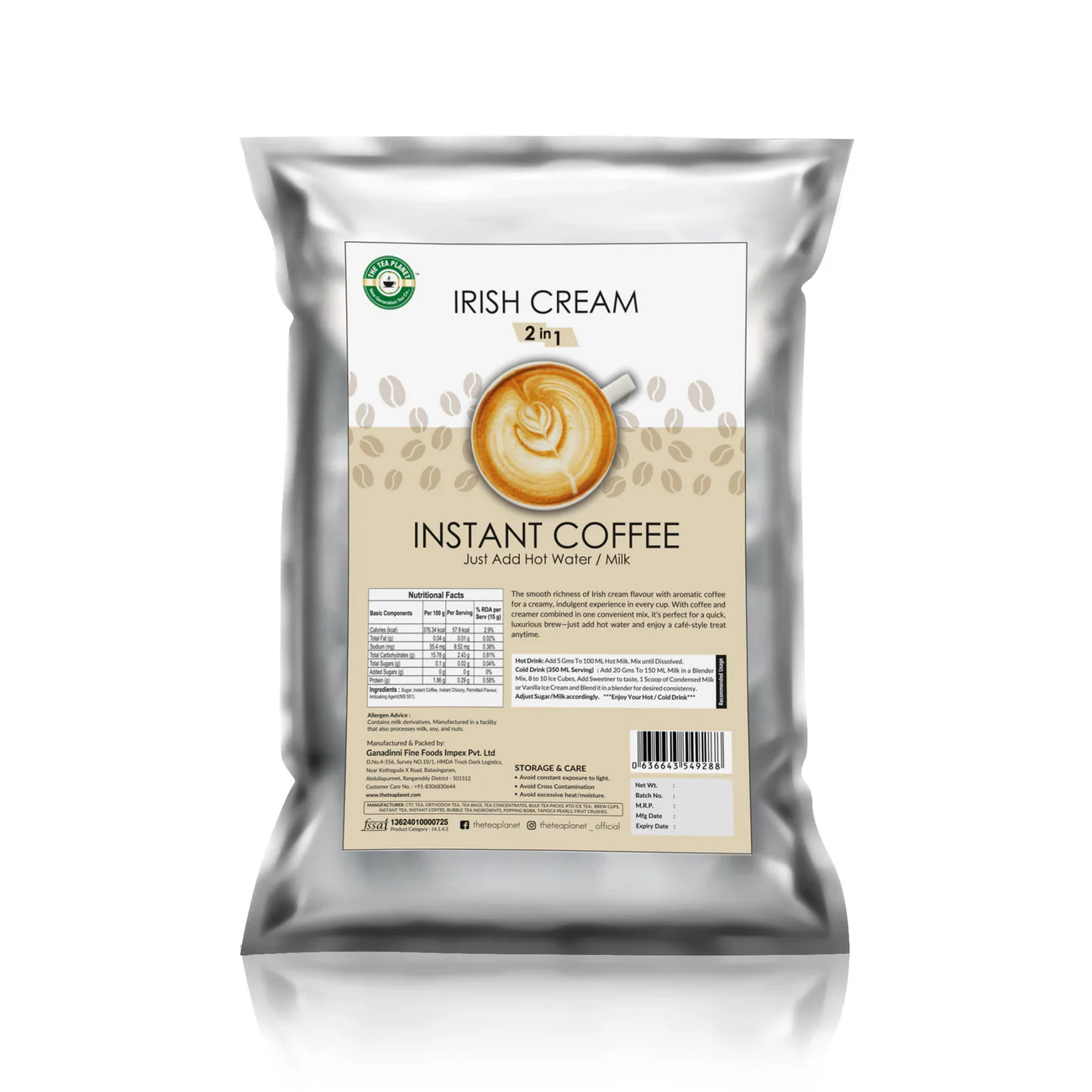
Free delivery in India on orders from ₹499 · ₹99 below
For filter coffee, see our South Indian Filter Coffee (coffee and chicory).
What are the main types of coffee beans?
Arabica and robusta. Arabica is generally smoother and more aromatic; robusta is generally stronger, more bitter and usually higher in caffeine. Many blends mix the two.
What is the difference between light and dark roast coffee?
A light roast tastes brighter and more acidic with a lighter body; a dark roast tastes bolder, smokier and more bitter-sweet with a heavier body. Dark roasts stand up better to milk.
What is specialty coffee?
A quality grade. The Specialty Coffee Association treats coffee scoring 80 points or more out of 100 in professional cupping as specialty grade. It is usually arabica, traceable to its farm and freshly roasted.
Which coffee is best for making coffee with milk?
A stronger, darker coffee or a filter blend with chicory, so the coffee taste comes through the milk. South Indian filter coffee and instant coffee both work well with milk.
How do I choose the right coffee?
Start with how you brew: a filter blend for a South Indian filter, espresso-grind coffee for a machine, and instant coffee or a 2-in-1 premix if you only have hot water or milk. Then choose strength and roast by taste.
How should coffee be stored?
Airtight, in a cool, dry place away from light, and resealed after every use. Whole beans keep their aroma longest; ground coffee loses it faster.